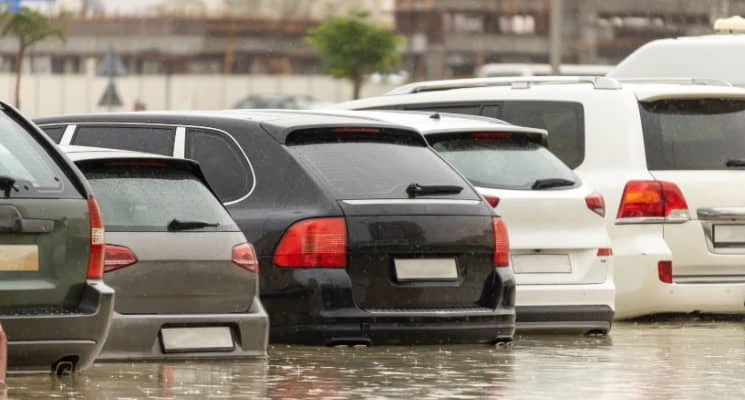
During heavy rainfall in Dubai, roads can quickly become flooded, leaving many drivers stranded. Waterlogged streets, poor visibility, and sudden deep patches make driving risky, even for experienced drivers. If your car gets stuck in floodwater, knowing what to do can protect both your safety and your vehicle from severe damage.
You can also book a professional inspection through ServiceMarket’s car service at home.
Stay Calm and Prioritize Safety
The first step is to take a deep breath, regather your thoughts and most importantly, stay calm. Panic can lead to rushed decisions, which may worsen the situation.
If your car stalls, turn off the engine immediately. Do not attempt to keep it running. Assess your surroundings; if the water level is stable and low, you may be safe temporarily inside the car. However, if water levels are rising, exit the vehicle immediately and move to higher ground.
Avoid walking through fast-moving water, as even shallow currents can be dangerous. If necessary, contact emergency services (999 in the UAE).
Do Not Restart the Engine
One of the biggest mistakes drivers make is trying to restart a stalled car in floodwater.
This can cause engine hydrolock, where water enters the engine and damages internal components. In most cases, this leads to costly repairs or even total engine failure.
Floodwater can also affect your car’s electrical system, leading to short circuits and long-term issues. Even if the car starts again, hidden damage may surface later.
Rule to remember: if your car stalls in water, do not restart it.
Use Hazard Lights to Alert Others
If your car still has power, switch on your hazard lights to make your vehicle visible to other drivers. Heavy rain reduces visibility, and this small step can help prevent accidents.
Make sure hazard lights are only used while your vehicle is stationary, as misuse can result in fines in the UAE.
Only Move If It’s Safe
If your car has not stalled and the water level is relatively low (below the midpoint of your tires), you may attempt to move slowly.
- Drive at a steady pace
- Avoid sudden acceleration or braking
- Maintain momentum to prevent water from entering the engine
However, if your car has already stalled, do not attempt to move it again.
Exit the Vehicle If Water Is Rising
If water begins to rise quickly, your priority should be to get out safely.
- Unlock doors immediately
- Exit the vehicle without delay
- If doors are difficult to open, try lowering a window
Breaking a window should only be considered as a last resort. Once outside, move to a safe, elevated location away from traffic and water flow.
Call for Professional Assistance
After ensuring your safety, contact roadside assistance (you can even get free roadside assistance from ENBD) or your insurance provider. It’s important to have your car towed rather than driven, even if the water subsides.
Driving a flood-affected car can worsen mechanical and electrical damage. A professional inspection is always recommended before attempting to use the vehicle again.
Assess the Damage Carefully
Once your car is out of the flooded area:
- Do not start it immediately
- Check how high the water reached
- Inspect for water inside the cabin
- Look for debris or mud under the hood
- Disconnect the battery if safe
Take photos of the damage for insurance purposes. Flood damage is not always immediately visible and may affect internal systems over time.
Clean Your Car Thoroughly
Floodwater often contains dirt, oil, and harmful contaminants. If not cleaned properly, these can lead to mold, bad odors, and corrosion.
A professional car wash service can help restore your car’s condition and prevent long-term issues, especially for interiors and upholstery.
Understand Your Insurance Coverage
Insurance plays a crucial role in how much financial impact you’ll face after flood damage.
- Comprehensive insurance usually covers flood-related damage
- Third-party insurance does not
Reviewing your policy in advance can save you from unexpected costs during the rainy season.
What NOT to Do
Avoid these common mistakes:
- Driving into flooded roads without checking depth
- Restarting a stalled engine
- Ignoring road closure warnings
- Staying inside the car when water is rising
- Attempting DIY fixes without professional inspection
Final Thoughts
Getting stuck in floodwater in Dubai can be stressful, but the right response can make all the difference. Always prioritize safety, avoid restarting your engine, and rely on professional help to handle your vehicle.
You can book reliable car service at home through ServiceMarket.
Quick action, the right precautions, and access to trusted services can help you minimize damage, reduce repair costs, and get back on the road safely after heavy rains.