
The lights and bulbs used in a Dubai home have a bigger impact than most people realize. They influence brightness, comfort, electricity use, and indoor safety. With growing awareness among residents, many are thinking of upgrading and installing LED light bulbs instead of relying on traditional options. If you are planning a switch, learning how both perform in daily use will help you make a better decision, leading to better efficiency, reduced costs, and improved home lighting quality over time.
Choosing Between LED & Traditional Bulbs in Dubai Homes
Deciding whether to opt for LED or traditional bulbs in Dubai homes comes down to understanding how each option performs in everyday use.
1. Efficiency & Power Consumption
Many people may not know that LED bulbs use less power than traditional options. To understand why, it helps to first look at what are LED light bulbs and how they operate at a basic level.
With traditional bulbs, much of the electricity is lost as heat. LEDs work more efficiently by converting most of the electricity into light, which reduces overall power consumption.
In a city like Dubai, where air conditioning increases electricity usage throughout the year, this efficiency plays an important role. Reduced consumption helps control total energy use and supports lower monthly electricity bills over time.
2. Heat Output
Dubai’s climate is already very warm, making bulb heat output an important concern when installing or replacing lights throughout the home. Many homeowners moving away from traditional options ask do LED light bulbs get hot. LEDs warm slightly during usage, but much less than traditional lighting alternatives. Even after hours of operation, LED bulbs remain cooler, allowing safer use in small ceiling fixtures while limiting heat buildup. Traditional bulbs can become extremely hot, especially in naturally bright rooms with strong sunlight or enclosed fixtures.
3. Lifespan & Value
Nobody enjoys having to replace lights too often in their homes. LEDs usually last much longer than traditional bulbs, which wear out faster, particularly if you keep turning them on and off. Because of this extended lifespan, LEDs reduce the need for regular bulb changes, save time, and lower replacement costs for households. This makes them a more practical choice for busy homes and frequently used areas. They perform especially well in spaces where lighting stays on for long hours daily.
4. Costs
Many people look at the upfront cost when buying lights and bulbs. This is where traditional bulbs seem more appealing. LEDs cost more at the start, which can stop many people from buying them. What they don’t take into account is that traditional bulbs consume more electricity and tend to burn out sooner, which increases overall costs. In addition, as the savings from lower electricity use build gradually, LEDs often prove to be the more sensible financial choice.
5. Brightness & Light Quality
LEDs come in various light tones and deliver steady, even brightness, creating a more controlled lighting experience at home. Traditional bulbs stand out for their soft warmth, which people recognize instantly, though their light output often feels less consistent during daily use.
6. Safety
Designed for efficiency, LEDs remain cool even during continuous use. This helps protect fixtures in small or enclosed areas with poor ventilation. Traditional bulbs emit more heat, which may gradually damage older fittings. From a safety standpoint, LEDs usually have the advantage.
7. Suitability for Compact Fixtures
Many homes in Dubai use space-saving ceiling fittings. A G9 LED light bulb or similar compact LED option works well because it produces less heat and fits easily into modern designs. For such fixtures, traditional bulbs can be bulky.
8. Installation
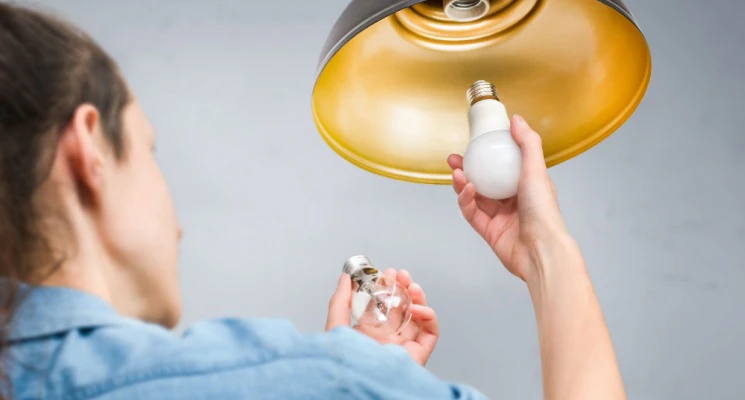
People frequently look up how to change an LED bulb since the fixtures can seem unfamiliar at first. Still, replacing an LED bulb is generally simple. Most designs use standard screw-in or twist mechanisms, which are pretty straightforward to install, even for first-time users who are used to traditional bulbs.
Conclusion
In the LED vs light bulb debate, comparing LED and traditional light bulbs often comes down to efficiency, safety, and usability. Most homeowners now prefer LEDs because of their clear benefits in everyday use.
If you are also leaning toward switching but feel uncertain about LED vs light bulb changing, professionals can handle the entire process for you. Book an expert through the ServiceMarket website or app. Let professionals properly handle everything, ensuring proper fitting, secure connections, and long-term performance without any unnecessary risks or complications.