If your last fill-up made you wince, you’re not imagining it. The UAE Fuel Price Committee announced October 2026 prices, with every fuel category rising from October 1. Here’s what changed, why it happened, and a few practical ways to keep your running costs down.
What Petrol Costs in the UAE in October 2026
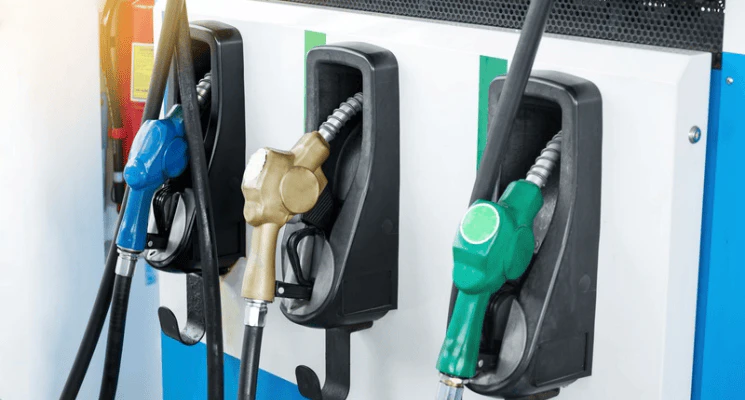
Super 98 is now AED 4.40 a liter, Special 95 is AED 4.28, E-Plus 91 is AED 4.21, and Diesel is AED 4.80. In September, those grades were AED 3.80, AED 3.69, AED 3.61, and AED 4.30 respectively. That’s roughly 60 fils more per liter on petrol.
Depending on your vehicle, a full tank will cost between AED 30.09 – AED 44.40 more than it did in September. As a rough example, filling a 60-liter tank with Special 95 now costs about AED 257, compared with about AED 221 last month. Over a month of regular driving, that adds up.
October’s rates are the highest of the year and only AED 0.23 a liter short of the record set in July 2022.
Why Petrol Prices Keep Rising
Fuel prices aren’t fixed. The UAE Fuel Price Committee sets them in the UAE in line with global energy markets, under a system the UAE introduced in 2015. So when oil gets more expensive, pump prices follow.
October is the third straight monthly increase, with global oil prices staying high amid the ongoing US-Iran conflict. Crude was trading at around $107 a barrel on September 29. The 60-day ceasefire between the two countries expired in mid-August, and Washington has said it doesn’t plan to extend it, so the future of the Strait of Hormuz remains unresolved, and energy markets stay on edge.
You Can’t Control the Fuel Price, but You Can Control How Much You Use
Most drivers can’t do much about the price per liter. The liters you burn are a different story, and a lot of that comes down to how well your car is maintained and how many unnecessary trips you make.
- Keep the engine healthy. Old oil, a clogged air filter, and tired spark plugs all make an engine work harder than it should. A car that’s due for service tends to use more fuel than one that’s up to date.
- Check your tire pressure. Under-inflated tyres increase rolling resistance, so the engine burns more fuel to move the same car. With UAE heat swinging pressures around, it’s worth checking regularly.
- Don’t carry what you don’t need. Extra weight in the boot and unused roof racks add drag, and drag costs money.
- Watch the air conditioner. In the summer heat, it’s unavoidable, but a clean cabin filter and a properly serviced AC system mean the compressor doesn’t have to work as hard.
- Cut the dead mileage. This one is easy to overlook. Driving to a workshop, waiting there, and driving back is fuel spent on a trip that gets you nowhere.
Regularly getting your car serviced can make a big difference. A traditional service means a round trip to the garage, often across the city, plus a few hours of waiting or an extra taxi or ride-share to get back to work. With petrol at these prices, that detour costs more than it used to.
With car service at home, the mechanic comes to you, at your home or office. You skip the drive, the queue, and the fuel burned getting there. Your car gets the same attention that helps it run efficiently, without adding a single extra kilometer to your odometer.
It also makes it easier to stay on top of maintenance. When servicing doesn’t mean rearranging your day, you’re less likely to put it off, and a car that’s serviced on schedule is the one that’s easiest on your fuel budget.
The Bottom Line
Petrol prices are set by global markets, so there’s little you can do about the number on the pump. What you can do is keep your car in good shape, drive only the kilometers you need to, and stop spending fuel on trips to the garage.
Ready to save a trip? Book a car service at home with ServiceMarket now!