
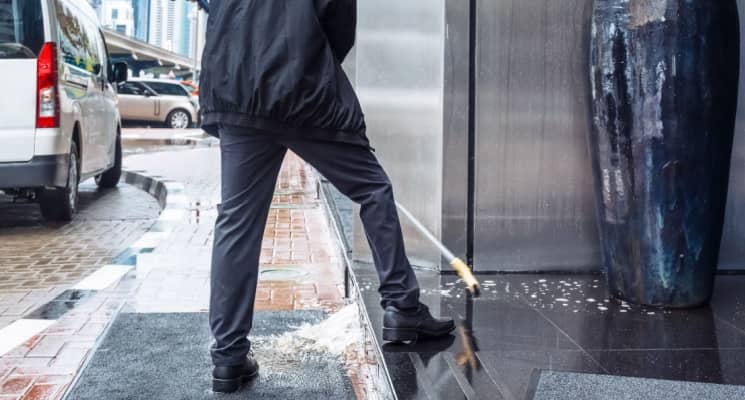
Rain in Dubai may be infrequent, but when it happens, it often arrives suddenly and heavily. Unlike regions that experience rain year-round, homes and buildings in Dubai are not always prepared for prolonged water exposure. As a result, post-rain mess can build up quickly with muddy entrances, dusty water stains, clogged drains, damp balconies, and slippery floors. With rain expected in the next few days, here are a few post rain cleaning tips that can help make life easier for you.
While light cleanup can be done at home, many residents turn to professional cleaners to handle deep cleaning and restore hygiene efficiently. Acting fast after rainfall is key to preventing long-term damage, mold growth, and unpleasant odors.
Here is a complete post-rain cleanup checklist along with practical tips tailored specifically for Dubai homes, apartments, and villas.
Why Post-Rain Cleanup Is Important in Dubai
Dubai’s rainwater often mixes with desert dust, sand, and pollutants. When this muddy water dries, it leaves behind stains, residue, and grime that are harder to remove later. Ignoring post-rain cleanup can result in:
- Permanent water stains on floors, walls, and windows
- Slippery surfaces that increase accident risk
- Mold and mildew in damp corners
- Clogged drains and unpleasant smells
- Damage to furniture, rugs, and wooden surfaces
Prompt cleanup ensures your home stays safe, hygienic, and visually appealing.
Post-Rain Cleanup Checklist for Dubai Homes
1. Clear Outdoor Debris Immediately
Start with balconies, terraces, and entrances. Rain often carries:
- Leaves (if you have plants in your balcony or trees in your lawn)
- Dust clumps
- Plastic waste
- Small stones
Use a broom or pressure water spray to clear surfaces. Removing debris early prevents it from being pushed indoors by foot traffic or wind.
2. Check and Unclog Drains
Drainage issues are common after rain in Dubai. Inspect:
- Balcony drains
- Bathroom floor drains
- Kitchen sinks
- Outdoor garden drains
Remove visible debris and flush drains with hot water. If water drains slowly or backs up, it may require professional attention. In such situations, you can hire a plumber and get all such issues resolved easily.
3. Dry All Wet Floors Thoroughly
Standing water is one of the biggest hazards after rain. Focus on:
- Entryways
- Balconies
- Laundry areas
- Near windows and sliding doors
Use dry mops, absorbent cloths, or a wet vacuum. Marble and tile floors can become extremely slippery when wet, so drying them promptly is essential.
4. Clean Muddy Footprints and Water Trails
Rain often brings muddy footprints indoors. Use:
- Mild floor cleaner for tiles
- Wood-safe cleaners for wooden flooring
- Gentle detergents for laminate surfaces
Avoid harsh chemicals that may react with wet surfaces or leave residue behind.
5. Remove Water Spots from Windows and Glass
Dubai rainwater mixed with dust leaves stubborn marks on:
- Windows
- Glass doors
- Balcony railings
Use a microfiber cloth and glass cleaner to wipe surfaces before stains dry completely. Early cleaning prevents permanent water spotting.
6. Inspect Walls, Ceilings, and Corners
Rainwater can seep into unnoticed areas. Check for:
- Damp patches on walls
- Ceiling discoloration
- Moisture near window frames
Dry these areas immediately and monitor them over the next few days to ensure no hidden leaks develop.
7. Care for Outdoor Furniture and Rugs
Balcony and garden furniture often absorb moisture after rain. Steps to follow:
- Wipe down metal and plastic furniture
- Air-dry cushions in shaded areas
- Shake out and dry outdoor rugs completely
Leaving fabric items damp can cause mildew and unpleasant odors.
8. Clean and Disinfect Entry Points
Rainwater carries dirt and bacteria from roads and walkways. Pay special attention to:
- Door handles
- Shoe racks
- Doormats
- Entry floors
Disinfecting these areas helps maintain indoor hygiene and prevents germs from spreading.
9. Check Appliances and Electrical Areas
Ensure no water has entered:
- Washing machine areas
- Power sockets near windows
- Extension cords on balconies
Safety should always be prioritized when dealing with post-rain moisture.
10. Improve Ventilation
Proper airflow speeds up drying and prevents mold growth. After rain:
- Open windows when humidity allows
- Use exhaust fans in bathrooms
- Turn on ceiling or standing fans
Ventilation is especially important in bathrooms and kitchens.
Some Important Considerations
Act Quickly
The longer dirt and moisture sit, the harder they are to remove. Early cleanup saves time and effort.
Use the Right Tools
Keep basic supplies ready:
- Mop and bucket
- Microfiber cloths
- Floor cleaner
- Disinfectant spray
Avoid Excess Water Indoors
Over-washing wet floors can worsen moisture problems. Always dry surfaces after cleaning.
Watch for Mold Signs
Musty smells or black spots near corners indicate moisture buildup and should be addressed immediately.
When to Call Professional Help
DIY cleaning works for light messes, but professional help is recommended if:
- Water entered indoor living spaces
- Large areas remain damp
- Mud stains are difficult to remove
- You want deep sanitation after heavy rain
Experienced cleaning companies in Dubai have the tools and expertise to handle post-rain cleanup efficiently, from deep floor cleaning to balcony washing and full home sanitization.
Conclusion
Post-rain cleanup in Dubai is not just about appearance, it’s about safety, hygiene, and protecting your home from long-term damage. With sudden rainfall becoming more frequent, having a clear cleanup plan makes all the difference.
By following this checklist, you can quickly restore your home after rain and prevent issues like stains, mold, and slipping hazards. And when the cleanup feels overwhelming, relying on trusted cleaning companies in Dubai ensures your space is cleaned thoroughly, professionally, and stress-free.