Hantavirus has recently become a topic of concern globally following reports of a cruise ship outbreak linked to the Andes strain of the virus. While there are currently no confirmed widespread outbreaks in Dubai or the UAE, health authorities in the country have reassured the public that monitoring systems and medical preparedness measures are fully active and ready to respond if necessary.
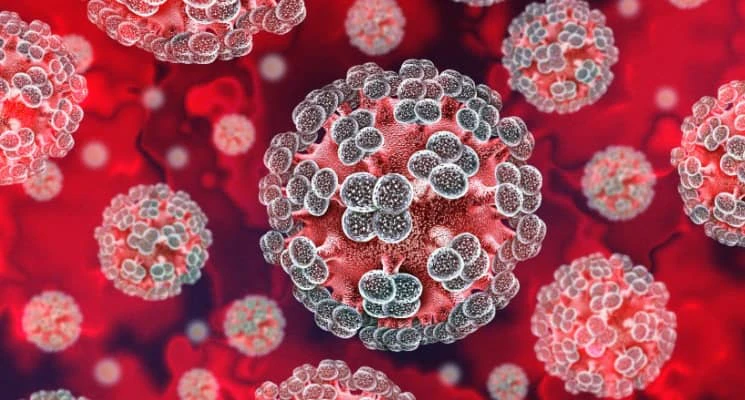
Hantavirus is a rare viral infection that spreads mainly through contact with infected rodents and their droppings, urine, or saliva. The virus does not usually spread easily from person to person, although the Andes strain linked to the recent international outbreak has shown limited human-to-human transmission in very close-contact situations.
For residents in Dubai, the overall public risk remains very low according to both UAE authorities and the World Health Organization (WHO). However, understanding the virus, its symptoms, and prevention methods can help reduce unnecessary panic while encouraging proper precautions.
What Is Hantavirus?
Hantaviruses are a group of viruses naturally carried by rodents such as rats and mice. Humans can become infected when virus particles become airborne and are inhaled, especially while cleaning areas contaminated with rodent waste. Infection may also occur through direct contact with contaminated surfaces or, more rarely, rodent bites.
In the US, hantavirus has been seen to cause Hantavirus Cardiopulmonary Syndrome (HCPS), a severe respiratory illness that affects the lungs and heart. In parts of Europe and Asia, it is associated with Hemorrhagic Fever with Renal Syndrome (HFRS), which primarily affects the kidneys.
Are There Hantavirus Cases in Dubai?
As of May 2026, UAE authorities have not announced any confirmed local outbreak in Dubai. However, due to global discussions surrounding recent international cases, the UAE’s Ministry of Health and Prevention (MoHAP) and the National Emergency Crisis and Disaster Management Authority (NCEMA) have confirmed that the country’s surveillance and response systems are fully prepared.
Officials have urged the public to rely only on verified medical information and avoid spreading misinformation or panic online.
Common Symptoms of Hantavirus
Early hantavirus symptoms often resemble the flu, which can make early diagnosis difficult. Symptoms usually appear one to eight weeks after exposure and may include:
- Fever and chills
- Muscle aches
- Fatigue
- Headaches
- Nausea or vomiting
- Stomach pain
As the disease progresses, more severe respiratory symptoms may develop, including:
- Persistent coughing
- Chest tightness
- Difficulty breathing
- Fluid buildup in the lungs
When Should You See a Doctor?
Anyone experiencing severe flu-like symptoms after potential exposure to rodents or contaminated environments should seek immediate medical attention. Early supportive care can significantly improve outcomes in serious cases.
For individuals who prefer immediate medical consultation from home, booking a doctor at home in dubai can provide quick access to professional medical assessment without visiting a crowded clinic.
How Does Hantavirus Spread?
Hantavirus spreads primarily through:
- Breathing in contaminated dust particles
- Contact with rodent droppings or urine
- Touching contaminated surfaces and then touching the face
- Rodent bites in rare cases
Activities that increase exposure risk include cleaning closed storage rooms, garages, warehouses, farms, construction sites, or abandoned buildings where rodents may be present.
How to Protect Yourself in Dubai
Although the UAE is considered low risk, preventive hygiene measures remain important. Health experts recommend:
- Keeping homes and storage areas clean
- Sealing openings where rodents may enter
- Storing food properly
- Avoiding direct contact with rodent droppings
- Using gloves and disinfectants while cleaning
- Avoiding dry sweeping or vacuuming contaminated areas
According to the WHO instead of sweeping rodent waste directly, the area should first be sprayed with disinfectant to reduce airborne particles.
Is Hantavirus Spreading Between People?
Most hantavirus strains do not spread between humans. However, the Andes virus strain involved in the recent cruise ship outbreak has shown limited human-to-human transmission among close household contacts. Health experts continue to emphasize that widespread community transmission remains unlikely.
Online discussions in UAE communities on Reddit have reflected public concern, but many users and health experts continue to highlight that the average resident’s risk remains very low when proper precautions are followed.
Final Thoughts
Hantavirus is a serious but rare infection that should be approached with awareness rather than panic. Dubai and UAE health authorities continue to monitor the global situation closely while maintaining strong preparedness systems. For most residents, simple hygiene measures and rodent prevention practices are enough to significantly reduce risk.
If you experience symptoms after possible exposure, seeking timely medical care is important. Using a trusted doctor at home service can help you receive prompt medical support and guidance from the comfort of your home.
FAQs
1. Is hantavirus present in Dubai?
As of May 2026, there have been no confirmed widespread hantavirus outbreaks reported in Dubai or the UAE. Health authorities have stated that national monitoring and response systems are fully prepared to handle any suspected cases.
2. How does hantavirus spread?
Hantavirus mainly spreads through contact with infected rodents, their urine, droppings, or saliva. People can become infected by breathing in contaminated dust particles while cleaning enclosed or poorly ventilated spaces.
3. What are the symptoms of hantavirus?
Common symptoms include fever, fatigue, muscle aches, headaches, nausea, and stomach pain. In severe cases, the virus can affect the lungs and cause coughing, chest tightness, and difficulty breathing.
4. Is hantavirus contagious between people?
Most hantavirus strains do not spread from person to person. However, the rare Andes strain has shown limited human-to-human transmission among close contacts.
5. When should I see a doctor for hantavirus symptoms?
You should seek medical attention immediately if you develop severe flu-like symptoms after possible exposure to rodents or contaminated environments. Early treatment and supportive care can improve recovery outcomes.
6. How can I protect myself from hantavirus in Dubai?
To reduce the risk of hantavirus, keep homes and storage areas clean, seal openings where rodents can enter, store food securely, and use disinfectants and gloves while cleaning rodent-contaminated areas.