You spend an hour getting your henna done, love every swirl and scallop of the design, and wake up to a stain the colour of weak tea. We’ve all been there. The good news is that a rich, dark henna stain usually depends on what you do in the first 24 hours, not just on the paste.
If you’d rather start with a skilled artist and fresh, quality paste, you can book a henna home service near you in Dubai and get it done without leaving your living room.
Why Henna Takes Time to Darken
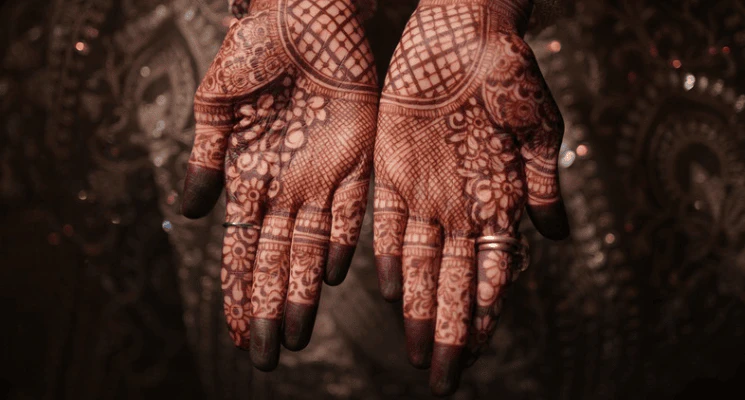
Here’s something that surprises most people: fresh henna never looks dark. When the paste comes off, the stain is usually a pale orange. Over the next 24 to 48 hours, it oxidises and slowly deepens into a rich reddish-brown. So if yours looks light on day one, don’t panic. What you do during that window decides how dark it gets.
7 Tips on How to Darken Your Henna
1. Keep the Paste On as Long as You Can
This is the real secret to dark henna, and it’s also the least exciting. The longer the paste sits on your skin, the more dye it transfers. Aim for at least 6 to 8 hours. Overnight is even better. If you’re sleeping with it on, loosely wrap your hands in tissue or a cotton cloth so the paste doesn’t flake onto your sheets or stain your face.
2. Dab on Lemon and Sugar
Once the paste has dried, mix equal parts lemon juice and sugar and dab it lightly over the design with a cotton swab. It keeps the paste moist and stuck to your skin, which gives the dye more time to work. Go gently, so that it doesn’t smudge and ruin the design.
3. Add a Little Warmth
Heat helps the stain develop, and there’s an old trick for it. Warm a few cloves in a dry pan, then hold your hands over the steam for a minute or two. It smells lovely too. You can also just keep your hands somewhere warm.
4. Keep Water Away for the First 24 Hours
Water is the enemy of a dark stain. Try to skip washing your hands, doing dishes and long showers until the first day is over. If you absolutely have to wash, do it quickly and pat dry. We cover this in more detail in our guide to making your henna last longer, which is worth a read if you want the color to hang around for weeks.
5. Scrape, Don’t Wash
When it’s time to remove the paste, resist the urge to rinse it off. Gently scrape or rub it away with a dry tissue or the back of a spoon. Rinsing in the first few hours can wash away the colour you’ve been waiting for.
6. Seal It with Oil
After the paste is off, rub a little eucalyptus oil, olive oil or coconut oil over the stain. Oil locks in moisture and protects the henna design from water. Reapply before showers and you’ll notice the color holding up much better. Warm mustard oil is another old favourite, and a few dabs can deepen the shade.
7. Start with Good Henna Paste and the Right Spot
Even perfect aftercare can’t rescue poor-quality paste. Fresh, natural henna gives the deepest colour, and the best results show up on thicker skin like palms and the soles of your feet, where the dye soaks in more. If you’re curious why henna is so popular in Dubai, we wrote about the popularity of henna. And if you’re wondering what a proper session costs, here’s a breakdown of henna home service charges in Dubai.
A Quick Warning About “Black Henna”
If someone promises you jet-black henna in an hour, walk away. Real henna never stains black. It ranges from orange to deep chocolate-brown. “Black henna” is often mixed with a chemical dye (PPD), which can cause burns, blisters and permanent scarring. A dark, natural stain takes patience, and it’s worth the wait.
The Takeaway
For a darker henna stain, give it time. Leave the paste on, keep it warm and moist, avoid water for a day, and seal it with oil. Do that and your stain should go from pale orange to a deep, gorgeous brown by morning.
Eid, Diwali, a wedding or just a Friday you want to feel special? Let a professional handle the application. Book your henna at home with ServiceMarket and enjoy a relaxed session at home with a stain you’ll actually love.
FAQs
1. How can I make henna darker overnight?
Leave the paste on for at least 6 to 8 hours, ideally while you sleep. Dab a lemon and sugar mixture over the dried paste, keep your hands warm, and avoid water. In the morning, scrape the paste off instead of rinsing it, then rub on a little oil.
2. Why does my henna look orange at first?
That’s completely normal. Fresh henna starts out pale orange and darkens as it oxidises over the next 24 to 48 hours. If your stain looks light on day one, give it time before you decide it didn’t work.
3. How long does henna take to get dark?
Most stains reach their deepest shade within 24 to 48 hours of removing the henna paste. After that, the color slowly fades over one to three weeks.
4. Does lemon and sugar really make henna darker?
It helps. The lemon and sugar mixture keeps the paste moist and stuck to your skin for longer, so more dye transfers. Dab it on gently with a cotton swab, because too much liquid can smudge the henna and ruin the design.
5. Can I wash my hands after getting henna?
Try not to for the first 24 hours. Water is the biggest enemy of a dark stain. If you really have to wash, keep it quick, pat dry, and rub oil on the design beforehand to protect it.
6. Which body parts get the darkest henna stain?
Palms and the soles of your feet usually give the richest color because the skin is thicker and absorbs more dye. Thinner skin, like your forearms, back of the hands etc. tends to stain lighter.
7. Can henna turn black?
Natural henna never turns black. It ranges from orange to deep reddish-brown or chocolate. Anything that stains jet-black within an hour is usually “black henna” made with a chemical dye (PPD), which can cause burns and scarring. This type of henna must be avoided.
8. Is it better to book henna at home?
It’s convenient, as you do not have to visit a salon and wait your turn. You get a professional artist using fresh henna paste, which makes a real difference to how dark the stain gets. If you are looking for a professional henna artist, you can book a henna home service in Dubai with ServiceMarket.