
Looking for reliable international movers? Understanding current global disruptions can help you plan your relocation better.
The closure of the Strait of Hormuz in 2026 has sent shockwaves through global trade, with international moving being one of the hardest-hit sectors. As one of the world’s most critical shipping chokepoints, the disruption is reshaping how household goods, relocation shipments, and personal cargo move across borders.
Why the Strait of Hormuz Matters for Moving
The Strait of Hormuz handles a massive share of global trade, including container traffic into key relocation hubs like the UAE, Qatar, and Saudi Arabia. It typically carries around 20% of global oil and significant container cargo.
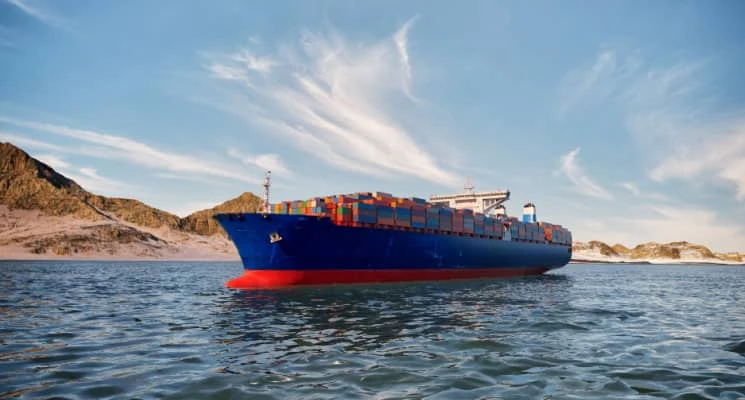
With the strait effectively closed or heavily restricted, shipping lines have halted or rerouted vessels, causing a ripple effect across international moving supply chains.
1. Shipping Delays Are Stretching Delivery Timelines
Container vessels that would normally pass through the Gulf are now:
- Turning back or being rerouted
- Waiting offshore for clearance
- Avoiding the region entirely
Impact on moving:
- Door-to-door moves taking weeks longer
- Unpredictable delivery windows
- Increased storage requirements at origin or destination
2. Freight Costs Are Surging
The biggest immediate impact on international moving is cost.
- Shipping rates have surged significantly
- Emergency freight surcharges have been introduced
- War-risk insurance premiums have skyrocketed
For customers:
- International moving quotes are rising sharply
- Fuel surcharges are being added
- Budget estimates are becoming less reliable
3. Rerouting Is Increasing Transit Time and Complexity
With the Strait blocked, logistics companies are forced to:
- Reroute shipments via longer sea routes
- Use alternative ports outside the Gulf
- Combine sea + land transport
For relocations:
- More handling = higher risk of damage
- Complex customs coordination
- Increased operational delays
4. Port Congestion Is Slowing Down Moves
Key regional ports are facing congestion due to:
- Diverted vessels
- Backlogged cargo
- Limited outbound routes
Effect on movers:
- Delays in container availability
- Difficulty securing booking slots
- Storage and demurrage fees increasing
5. Energy Prices Are Driving Up Moving Costs
Because the Strait is a major oil transit route, its closure has triggered a global energy shock:
- Oil prices have surged
- Fuel costs for shipping, trucking, and air freight are rising
- Inflation is affecting logistics services
For moving companies:
- Higher operational costs
- Increased reliance on dynamic pricing
6. Insurance and Risk Factors Are Increasing
The conflict has made the region a high-risk zone:
- War-risk insurance is now essential
- Some insurers have reduced coverage
- Shipping companies are avoiding the route
7. Global Supply Chain Disruptions Are Affecting Household Moves
The crisis is impacting global supply chains at scale.
Indirect impact on moving:
- Shortage of containers
- Equipment imbalances
- Delays in logistics resources
What This Means for People Planning an International Move
If you’re planning a move to or from the Middle East:
- Expect longer timelines (2–6+ weeks delays)
- Budget for higher costs (20–50%+ increases)
- Book services earlier than usual
- Stay flexible with delivery schedules
Conclusion
The closure of the Strait of Hormuz has transformed international moving into a more complex, costly, and unpredictable process. With shipping routes disrupted and delays mounting, planning ahead is more important than ever. To ensure a smoother relocation, it’s best to work with experienced international movers in Dubai who understand how to navigate these disruptions.